7 Daily Habits That Support Healthy Aging After 40

Healthy aging is not about trying to stop time or look exactly as you did in your twenties. It is about maintaining the strength, mobility, balance, energy, and confidence needed to continue doing the things that matter to you.
Although genetics and health conditions can influence the way your body changes, many aspects of physical aging are also affected by your everyday habits. The way you move, eat, sleep, recover, and care for your body can influence how capable and independent you feel in the years ahead.
The encouraging part is that healthy aging does not require a perfect lifestyle or hours of exercise every day. Small actions performed consistently can make a meaningful difference.
Here are seven practical habits you can begin using to support healthy aging after 40.
1. Move Your Body Throughout the Day
Completing a workout is valuable, but healthy aging also depends on how much you move during the rest of your day.
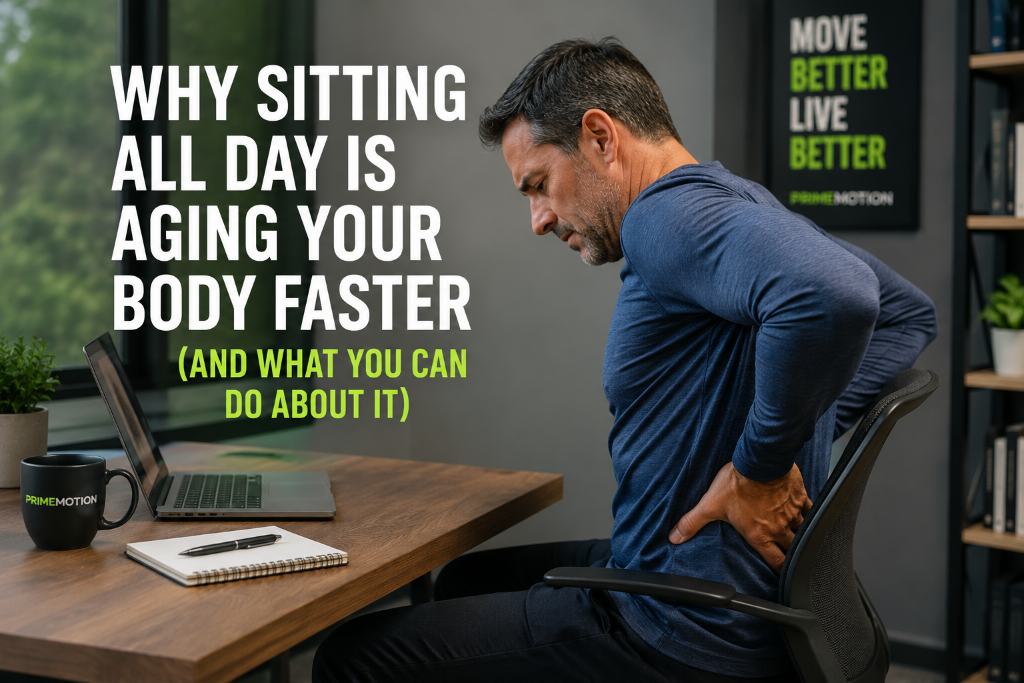
Long periods of sitting can leave your hips, back, shoulders, and ankles feeling stiff. Over time, a lack of regular movement may make everyday activities feel more difficult.
Try to break up long periods of sitting with short movement breaks. Even two to five minutes can help you change positions, encourage circulation, and move your joints through comfortable ranges of motion.
Simple options include:
- Taking a short walk
- Standing while talking on the phone
- Performing gentle shoulder rolls
- Completing a few controlled sit-to-stand repetitions
- Moving your ankles and hips
- Stretching your chest after sitting at a desk
- Walking around the house during television breaks
You do not need to turn every movement break into a workout. The goal is simply to give your body regular opportunities to move.
2. Maintain Your Strength
Muscle is important for much more than appearance. It helps you climb stairs, carry groceries, get up from a chair, protect your joints, maintain your balance, and remain independent.
Adults can gradually lose muscle and strength with age, especially when they become less physically active. Regular resistance training can help preserve and improve the physical capacity you use in everyday life.
A well-rounded strength routine may include movements such as:
- Squatting to a chair
- Pushing
- Pulling
- Carrying
- Stepping up
- Hip hinging
- Core stabilization
Strength training does not always require heavy weights or complicated equipment. Resistance bands, machines, dumbbells, and body-weight exercises can all be effective when used appropriately.
Start with a level that allows you to maintain control and good form. Increase the difficulty gradually as your strength and confidence improve.
3. Practice Balance Before It Becomes a Problem
Balance is often overlooked until a person begins feeling unsteady. However, balance is a skill that benefits from regular practice.
Your ability to balance depends on several systems working together, including your vision, inner ear, nervous system, muscles, and joints. Strength, coordination, reaction time, and confidence also play important roles.
Simple balance exercises may include:
- Standing with your feet close together
- Holding a staggered stance
- Walking heel to toe
- Practicing controlled marching
- Standing on one leg with support nearby
- Stepping in different directions
Always practice near a stable surface, such as a countertop or sturdy chair, if you may need support.
Balance training does not have to take long. A few focused minutes several times per week can help you continue developing this important physical skill.
4. Protect Your Mobility
Mobility is your ability to move your joints freely and control those movements. It affects how comfortably you reach overhead, turn, bend, walk, squat, and complete other daily activities.
Mobility can decline when certain movements are rarely used. Sitting for long periods, repeating the same positions, past injuries, and avoiding uncomfortable movements may all contribute to stiffness.
A short daily mobility routine can focus on commonly restricted areas, including:
- Ankles
- Hips
- Upper back
- Shoulders
- Neck
Move slowly and remain within a comfortable range. Mobility work should not require forcing a joint into a painful position.
Consistency is more useful than occasionally completing a long, intense stretching session. Even five minutes of intentional mobility work can be a worthwhile addition to your day.
5. Build Meals Around Supportive Nutrition
Your nutritional needs may change over time, but the basic goal remains the same: provide your body with the energy and nutrients it needs to function, recover, and remain active.
Instead of chasing a perfect diet, focus on building repeatable meals around nutrient-dense foods.
Depending on your individual health needs, a balanced eating pattern may include:
- A source of protein
- Vegetables and fruits
- Fiber-rich carbohydrates
- Healthy fats
- Adequate water
Protein is especially important because it supports muscle maintenance and recovery. Rather than consuming most of your protein in one meal, it may be helpful to include a protein source throughout the day.
Hydration also deserves attention. Waiting until you feel extremely thirsty can make it harder to maintain consistent fluid intake. Keeping water nearby and drinking it with meals can make hydration easier to remember.
Individual nutritional needs vary. Speak with a qualified healthcare professional or registered dietitian if you have a medical condition or need personalized dietary guidance.
6. Treat Sleep and Recovery as Part of Your Health Plan
Exercise provides your body with a challenge, but recovery is when it adapts to that challenge.
Poor sleep can affect energy, mood, concentration, appetite, exercise performance, and recovery. It can also make it more difficult to stay consistent with healthy habits.
Support better sleep by creating a repeatable evening routine. Helpful practices may include:
- Going to bed and waking up at consistent times
- Limiting caffeine later in the day
- Reducing bright-screen exposure before bed
- Keeping the bedroom cool and comfortable
- Completing gentle breathing or mobility exercises
- Avoiding intense exercise immediately before bed if it disrupts your sleep
Recovery also means paying attention to your body. Not every workout needs to be intense. Easier movement days, walking, mobility sessions, and rest days can all contribute to a sustainable routine.
7. Keep Your Brain and Social Life Active
Healthy aging involves more than physical fitness. Mental engagement, purpose, relationships, and social connection can also contribute to overall well-being.
Look for regular opportunities to challenge your mind and remain connected with other people.
Examples include:
- Learning a new skill
- Reading
- Completing puzzles
- Taking a class
- Volunteering
- Joining a walking or exercise group
- Spending time with friends and family
- Practicing a creative hobby
Physical and social activities can also be combined. Walking with a friend, attending a group fitness class, or learning a recreational activity gives you an opportunity to move while connecting with others.
Choose activities that feel personally meaningful. A habit is easier to maintain when you genuinely enjoy it.
Healthy Aging Comes From Consistency
You do not need to adopt all seven habits overnight.
Choose one habit that feels realistic and connect it to something already included in your routine. For example, you could take a short walk after lunch, practice balance while standing near the kitchen counter, or complete five minutes of mobility work before your morning coffee.
Once that behavior feels natural, begin adding another.
The most effective healthy-aging plan is not necessarily the most complicated one. It is the plan you can follow consistently while adjusting it to your health, abilities, and lifestyle.
A Simple Daily Healthy-Aging Checklist
Use this checklist as a flexible guide:
- Move regularly throughout the day
- Complete some form of intentional physical activity
- Eat balanced meals that include protein and nutrient-dense foods
- Drink water consistently
- Take a few minutes to work on mobility or balance
- Give your body time to recover
- Stay mentally engaged and socially connected
You will not complete every habit perfectly every day. What matters is the pattern you build over time.
Start Building a Stronger Future Today
Getting older is unavoidable, but becoming inactive is not.
Regular movement, strength training, mobility work, balanced nutrition, quality sleep, and meaningful connection can help you build a body and lifestyle that continue supporting you as you age.
Start with one manageable action today. Small improvements may not feel dramatic in the moment, but repeated over weeks, months, and years, they can help you move better, live stronger, and remain confident in what your body can do.
This article is for general educational purposes only and is not a substitute for medical advice, diagnosis, or treatment. Consult a qualified healthcare professional before starting a new exercise program, particularly if you have an injury, health condition, balance concern, or unexplained symptoms.
Michael Evans Founder of PrimeMotion & VP7 Fitness
PrimeMotion content is provided for general educational purposes and is not a substitute for individualized medical advice, diagnosis, or treatment.
Ready to Build Habits That Support Healthy Aging?
PrimeMotion gives adults over 40 personalized workouts, mobility routines, posture support, balance training, and practical tools designed to help you move better and live stronger.
Start Your FREE 7-Day Trial Today